Uncover John Fetterman's Religious Beliefs: A Journey Of Discovery
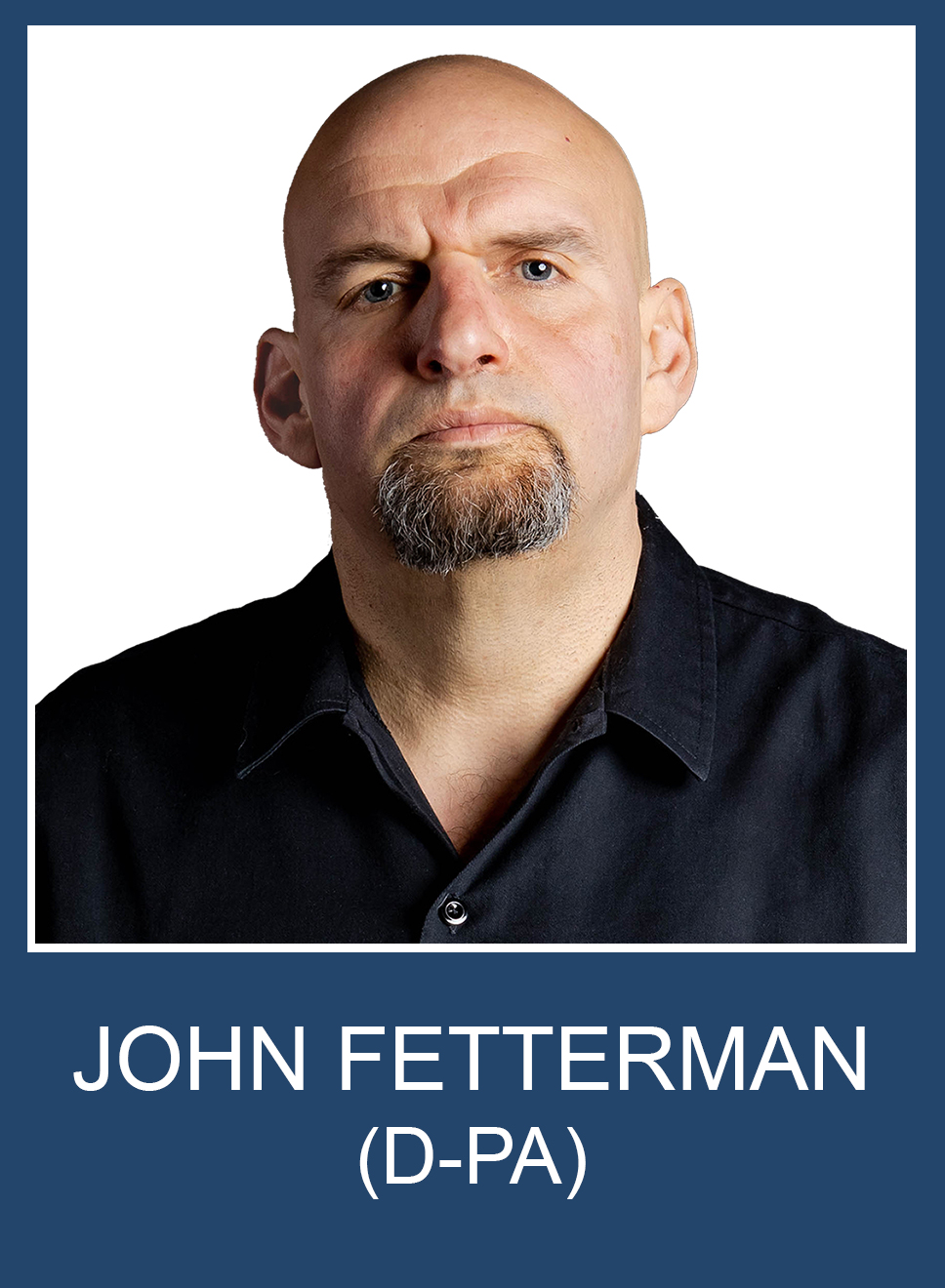
John Fetterman, the Democratic candidate for U.S. Senate in Pennsylvania, is a self-described "non-religious person." He has said that he respects people's religious beliefs, but that he does not believe in a god or any other supernatural beings. Fetterman's views on religion are in line with the growing number of Americans who identify as non-religious or atheist.
Fetterman's stance on religion has not been a major issue in his campaign, but it has drawn some attention from religious voters. Some voters have expressed concern about Fetterman's lack of religious belief, while others have said that it does not matter to them.
Fetterman's views on religion are a reminder that there is no one-size-fits-all answer to the question of what religion is. Religion is a personal and deeply held belief system that varies from person to person. For Fetterman, religion is not a part of his life, but for others, it is a central part of their identity.
What religion is John Fetterman?
John Fetterman, the Democratic candidate for U.S. Senate in Pennsylvania, is a self-described "non-religious person." His views on religion are in line with the growing number of Americans who identify as non-religious or atheist.
- Personal belief: Fetterman does not believe in a god or any other supernatural beings.
- Respect for others: He respects people's religious beliefs, even though he does not share them.
- Separation of church and state: Fetterman believes that religion should not be used to justify discrimination or oppression.
- Importance of values: He believes that people can live good and moral lives without religion.
- Growing trend: Fetterman's views are in line with the growing number of Americans who identify as non-religious or atheist.
- Diversity of belief: There is no one-size-fits-all answer to the question of what religion is.
- Personal journey: Fetterman's views on religion have evolved over time.
- Electoral implications: Fetterman's stance on religion is not expected to be a major issue in his campaign.
Fetterman's views on religion are a reminder that there is no one-size-fits-all answer to the question of what religion is. Religion is a personal and deeply held belief system that varies from person to person. For Fetterman, religion is not a part of his life, but for others, it is a central part of their identity.
Personal belief
John Fetterman's personal belief that he does not believe in a god or any other supernatural beings is a key aspect of his religious identity. It shapes his worldview and informs his stance on various issues related to religion and public policy.
- Definition of Atheism: Atheism is the lack of belief in a god or gods. Atheists do not believe in any supernatural beings, including gods, angels, or demons.
- Prevalence of Atheism: Atheism is becoming increasingly common in the United States, with a growing number of people identifying as atheist or agnostic.
- Fetterman's Stance on Religion: Fetterman's atheism informs his stance on issues such as the separation of church and state, the rights of religious minorities, and the importance of secular values in public life.
- Implications for Public Policy: Fetterman's personal belief has implications for his policy positions on issues such as reproductive rights, LGBTQ+ rights, and the role of religion in public schools.
In conclusion, John Fetterman's personal belief that he does not believe in a god or any other supernatural beings is a significant aspect of his religious identity. It shapes his worldview, informs his stance on various issues related to religion and public policy, and reflects the growing prevalence of atheism in the United States.
Respect for others
John Fetterman's respect for others' religious beliefs, despite his personal atheism, is a key aspect of his religious identity. It reflects his commitment to religious freedom and tolerance, and his belief that people should be able to practice their religion without fear of discrimination or persecution.
- Religious Freedom: Fetterman's respect for religious freedom is rooted in his belief that everyone has the right to practice their religion without government interference. He supports the separation of church and state, and opposes any laws that would discriminate against people based on their religious beliefs.
- Tolerance and Pluralism: Fetterman's respect for others' religious beliefs also reflects his commitment to tolerance and pluralism. He believes that people of all faiths should be able to live together in peace and harmony, and that diversity of religious beliefs is a strength of American society.
- Dialogue and Understanding: Fetterman believes that dialogue and understanding are essential for building bridges between people of different faiths. He has met with religious leaders from a variety of backgrounds to learn about their beliefs and perspectives, and to promote mutual respect and understanding.
- Common Ground: Fetterman believes that it is possible to find common ground between people of different faiths, even if they do not share the same beliefs. He focuses on shared values such as compassion, justice, and service to others, and believes that these values can unite people of all faiths.
In conclusion, John Fetterman's respect for others' religious beliefs, even though he does not share them, is a key aspect of his religious identity. It reflects his commitment to religious freedom, tolerance, pluralism, dialogue, and finding common ground. These values are essential for building a more just and equitable society for all.
Separation of church and state
John Fetterman's belief in the separation of church and state is closely connected to his personal religious identity as a non-religious person. He believes that religion is a personal matter and should not be used to justify discrimination or oppression against others.
- Religious Freedom: Fetterman's support for the separation of church and state is rooted in his commitment to religious freedom. He believes that everyone has the right to practice their religion without government interference, and that the government should not favor one religion over another.
- Equal Protection Under the Law: Fetterman believes that the separation of church and state is essential for ensuring equal protection under the law for all citizens. He opposes any laws or policies that would discriminate against people based on their religious beliefs, and believes that the government should treat all religions equally.
- Prevention of Religious Tyranny: Fetterman also believes that the separation of church and state is necessary to prevent religious tyranny. He believes that the government should not be allowed to impose religious beliefs on its citizens, and that the separation of church and state is essential for protecting individual liberty.
In conclusion, John Fetterman's belief in the separation of church and state is closely connected to his personal religious identity as a non-religious person. He believes that religion is a personal matter and should not be used to justify discrimination or oppression against others. His support for the separation of church and state is rooted in his commitment to religious freedom, equal protection under the law, and the prevention of religious tyranny.
Importance of values
John Fetterman's belief that people can live good and moral lives without religion is a central tenet of his religious identity. It is rooted in his personal experiences and observations, and it shapes his views on a wide range of issues.
Fetterman grew up in a religious household, but he gradually came to the realization that he did not believe in a god or any other supernatural beings. However, he also came to believe that it is possible to live a good and moral life without religion. He believes that values such as compassion, empathy, and justice are universal human values that can be found in people of all faiths and backgrounds.
Fetterman's belief that people can live good and moral lives without religion is not simply a theoretical belief. He has seen firsthand the power of these values in the lives of the people he has met and worked with. He has seen how people from all walks of life can come together to help others, to fight for justice, and to make the world a better place.
Fetterman's belief that people can live good and moral lives without religion is a challenge to the traditional view that religion is necessary for morality. It is a reminder that values such as compassion, empathy, and justice are not the exclusive property of any one religion. These values are universal human values that can be found in people of all faiths and backgrounds.
Growing trend
John Fetterman's religious views are in line with a growing trend in the United States. According to a 2021 Pew Research Center survey, the number of Americans who identify as atheist, agnostic, or "nothing in particular" has been steadily increasing over the past few decades. This trend is particularly pronounced among younger Americans, with nearly one-third of Americans under the age of 30 identifying as non-religious.
- Changing Demographics: The growing number of non-religious Americans is due in part to changing demographics. The United States is becoming increasingly diverse, with a growing number of immigrants from countries where non-religious beliefs are more common. Additionally, the number of Americans with no religious affiliation is growing as more people leave their childhood faiths or never adopt a religion in the first place.
- Decline of Traditional Religion: The decline of traditional religion in the United States is another factor contributing to the growth of non-religious beliefs. Many Americans are becoming disillusioned with organized religion, citing factors such as scandals, hypocrisy, and a lack of relevance to their daily lives.
- Rise of Secular Values: The rise of secular values in American society is also contributing to the growth of non-religious beliefs. Americans are increasingly valuing individualism, autonomy, and reason over traditional religious values. This shift in values is making it more acceptable for people to identify as non-religious.
The growing number of non-religious Americans is having a significant impact on the religious landscape of the United States. Non-religious Americans are more likely to support policies that promote separation of church and state and protect the rights of religious minorities. They are also more likely to be open to new ideas and perspectives, which is contributing to a more pluralistic and tolerant society.
Diversity of belief
The question of "what religion is John Fetterman" highlights the diversity of belief that exists in the world. There is no one-size-fits-all answer to this question, as religion is a deeply personal and individual experience. Fetterman's personal beliefs do not define religion as a whole, just as the beliefs of any other individual do not.
- Personal Interpretation: Religion is often shaped by personal experiences, cultural influences, and individual interpretations. What one person considers to be religious, another may not. This diversity of belief is reflected in the wide range of religious traditions, practices, and beliefs that exist around the world.
- Cultural Context: Religion is often intertwined with culture and tradition. Different cultures have their own unique ways of expressing and practicing religion, which can lead to different understandings of what religion is. For example, some cultures may emphasize the importance of ritual and ceremony, while others may focus on personal spirituality.
- Evolving Beliefs: Religious beliefs are not static, but rather evolve over time. As individuals and societies change, so too can their religious beliefs and practices. This evolution of belief can lead to new religious movements and traditions, as well as changes in the way that existing religions are practiced.
- Subjective Experience: Ultimately, religion is a subjective experience. What one person finds meaningful and fulfilling in their religious practice may be different for another person. This subjectivity is what makes it difficult to define religion in a way that applies to everyone.
In conclusion, the diversity of belief that exists in the world means that there is no one-size-fits-all answer to the question of "what religion is." John Fetterman's personal beliefs are just one example of the many different ways that people experience and express religion. It is important to respect and value this diversity of belief, and to recognize that religion is a deeply personal and individual experience.
Personal journey
John Fetterman's personal journey in terms of his religious beliefs is an integral component of understanding "what religion is John Fetterman." His evolving views on religion have shaped his current stance as a non-religious person who respects the beliefs of others, supports the separation of church and state, and believes that people can live good and moral lives without religion.
Fetterman's upbringing in a religious household exposed him to traditional religious teachings and practices. However, as he grew older, he began to question his own beliefs and explore different perspectives. Through his personal experiences and interactions with people from diverse backgrounds, Fetterman gradually developed his own unique understanding of religion and spirituality.
Fetterman's personal journey highlights the dynamic and evolving nature of religious beliefs. It demonstrates that religion is not a static concept, but rather a fluid and ever-changing aspect of human experience. As individuals navigate life's challenges and experiences, their religious beliefs may evolve and transform.
Understanding the personal journey of individuals like Fetterman is crucial for gaining a comprehensive understanding of the complex and multifaceted nature of religion. It challenges the notion of a singular, fixed definition of religion and emphasizes the importance of respecting and valuing the diversity of religious experiences and interpretations.
Electoral implications
The fact that Fetterman's stance on religion is not expected to be a major issue in his campaign highlights the changing landscape of religious beliefs in the United States. In the past, a candidate's religious affiliation and beliefs were often a major factor in how they were perceived by voters. However, in recent years, there has been a growing trend towards secularization in American society. This is particularly true among younger voters, who are less likely to identify with any particular religion and more likely to be open to candidates who do not share their own religious beliefs.
Fetterman's campaign is a reflection of this changing landscape. He is running as an openly non-religious candidate, and his stance on religion has not been a major issue in the campaign. This suggests that voters are becoming more accepting of candidates who do not share their own religious beliefs, and that religious affiliation is no longer a major factor in determining how voters cast their ballots.
The changing religious landscape in the United States has important implications for the future of religion and politics. It suggests that the traditional link between religion and politics is weakening, and that voters are becoming more open to candidates who do not share their own religious beliefs. This could lead to a more diverse and representative political system, and it could also make it more difficult for religious groups to influence public policy.
FAQs on John Fetterman's Religious Beliefs
This section addresses frequently asked questions regarding John Fetterman's stance on religion, providing clear and informative answers.
Question 1: What are John Fetterman's religious beliefs?
John Fetterman identifies as a non-religious person, stating that he does not believe in a god or any supernatural beings.
Question 2: How do Fetterman's religious beliefs impact his political views?
Fetterman's non-religious stance informs his support for the separation of church and state, his belief that religion should not be used to justify discrimination, and his conviction that individuals can live ethical and moral lives without religion.
Question 3: Does Fetterman's lack of religious affiliation affect his ability to represent constituents?
Fetterman's personal beliefs do not hinder his ability to represent his constituents. He respects the religious beliefs of others and believes that people from all backgrounds should have their voices heard in the political process.
Question 4: How does Fetterman's stance on religion compare to other politicians?
Fetterman's openness about his non-religious beliefs is notable in the political arena, where candidates often emphasize their religious affiliations. His stance reflects a growing trend toward secularization in American society.
Question 5: What are the potential implications of Fetterman's religious views for the future of religion in politics?
Fetterman's campaign suggests that religious affiliation is becoming less influential in determining voter preferences. This could contribute to a more diverse and representative political system and reduce the influence of religious groups on public policy.
Question 6: How does Fetterman's stance on religion align with the views of his constituents?
Fetterman's non-religious beliefs are consistent with the increasing secularization of Pennsylvania, where a growing number of residents identify as non-religious or unaffiliated with any particular religion.
In conclusion, John Fetterman's religious beliefs, while unique among politicians, reflect the evolving religious landscape of the United States. His stance on religion emphasizes the separation of church and state, respect for diverse beliefs, and the importance of personal morality.
Transition: To delve deeper into Fetterman's political views, let's explore his stance on various policy issues.
Tips on Understanding John Fetterman's Religious Beliefs
Comprehending John Fetterman's stance on religion requires a multifaceted approach. Here are several key tips to consider:
Tip 1: Acknowledge the Context
Recognize the growing secularization trend in the United States, particularly among younger generations. Fetterman's non-religious views align with this broader societal shift.
Tip 2: Respect Diverse Perspectives
Fetterman emphasizes the importance of respecting the religious beliefs of others, even if they differ from his own. This principle is crucial for fostering a tolerant and inclusive society.
Tip 3: Focus on Policy Implications
Examine how Fetterman's religious beliefs translate into his political positions. His stance on issues like the separation of church and state and LGBTQ+ rights provides insights into his values and priorities.
Tip 4: Avoid Assumptions
Resist making assumptions about individuals based solely on their religious affiliations. Fetterman's personal beliefs do not define his character or his ability to serve as an elected official.
Tip 5: Engage in Civil Discourse
When discussing Fetterman's religious views, prioritize respectful dialogue and avoid polarizing rhetoric. Open-minded conversations foster understanding and promote a healthy exchange of ideas.
Tip 6: Seek Credible Sources
Rely on reputable news outlets and academic research to gather accurate information about Fetterman's stance on religion. This ensures a well-informed perspective.
Tip 7: Consider the Evolving Landscape
Recognize that religious beliefs are fluid and can change over time. Fetterman's personal journey and the evolving religious landscape in the United States should be taken into account.
Tip 8: Promote Religious Freedom
Uphold the principle of religious freedom, which allows individuals to practice their beliefs without fear of discrimination or persecution. This aligns with Fetterman's commitment to protecting the rights of all Americans.
Understanding John Fetterman's religious beliefs requires a nuanced approach that considers societal trends, respects diverse perspectives, and engages in civil discourse. By following these tips, individuals can gain a deeper comprehension of his stance on religion and its implications for society.
Transition: To further explore John Fetterman's political views, let's delve into his key policy positions.
Conclusion
John Fetterman's non-religious stance is a reflection of the changing religious landscape in the United States. His views on the separation of church and state, the importance of personal morality, and the respect for diverse beliefs provide insights into his values and priorities as a political leader. Fetterman's campaign highlights the increasing secularization of society and the growing acceptance of candidates who do not share traditional religious affiliations.
Understanding Fetterman's religious beliefs is crucial for evaluating his political positions and their potential impact on public policy. It also underscores the importance of respecting religious freedom and fostering a tolerant and inclusive society. As the religious landscape continues to evolve, it remains to be seen how Fetterman's views will shape the future of religion in politics and beyond.
Unveiling The Empowering Bond: Dakota Striplin And His Father
Unlock The Secrets Of "Call Jenna Ortega": A Gateway To Success In The Entertainment Industry
Uncovering The Untold Truth: Heidi Powell's First Husband Unveiled


ncG1vNJzZmisn6XAdHrApqpsZpSetKrAwKWmnJ2Ro8CxrcKeqmebn6J8uLTArWSrnZyetKq7zWagrGWapLWvecWeq62doqKur3rHraSl